What happens when you swallow a pill
A swallowed tablet doesn't go straight into general circulation. First it has to leave the stomach. The stomach's main job here is mechanical: its acid and churning break the tablet apart and dissolve it into a fluid the body can absorb, then empty it into the small intestine, where most absorption happens. The stomach absorbs very little itself. That hand-off, called gastric emptying, is usually the rate-limiting step, and it's the reason food matters. A meal, especially a fatty one, slows gastric emptying, so the drug lingers in the stomach longer before it reaches the intestine and gets absorbed. Take an ED pill after a heavy dinner and it can arrive late.
Once absorbed, the drug still doesn't reach the body directly. Blood leaving the stomach and intestines is routed first, through a vessel called the portal vein, straight into the liver. So everything absorbed from the gut takes one mandatory trip through the liver before reaching the rest of the body.
The liver's job there is to metabolize the drug: its enzymes chemically break the molecule down into other compounds, and for most drugs those broken-down pieces no longer work. This is how the body clears foreign substances. The catch is timing. Because the entire absorbed dose hits the liver in one concentrated wave before any of it has reached its target, a large fraction can be dismantled before it ever gets a chance to act. That one-time loss on the way in is called first-pass metabolism.
Yes, there are later passes. Once a drug is in general circulation, blood loops through the liver continuously, so the drug keeps getting metabolized on every subsequent pass. That ongoing clearance is what gives a drug its duration and eventually eliminates it.
What's left after that first pass is the drug's bioavailability, the fraction that actually makes it into circulation intact. Between gastric emptying on the way in and first-pass metabolism in the liver, an oral ED drug can lose time and dose before it ever reaches its target, which is why it can take 30 to 60 minutes to work.
What sublingual delivery changes
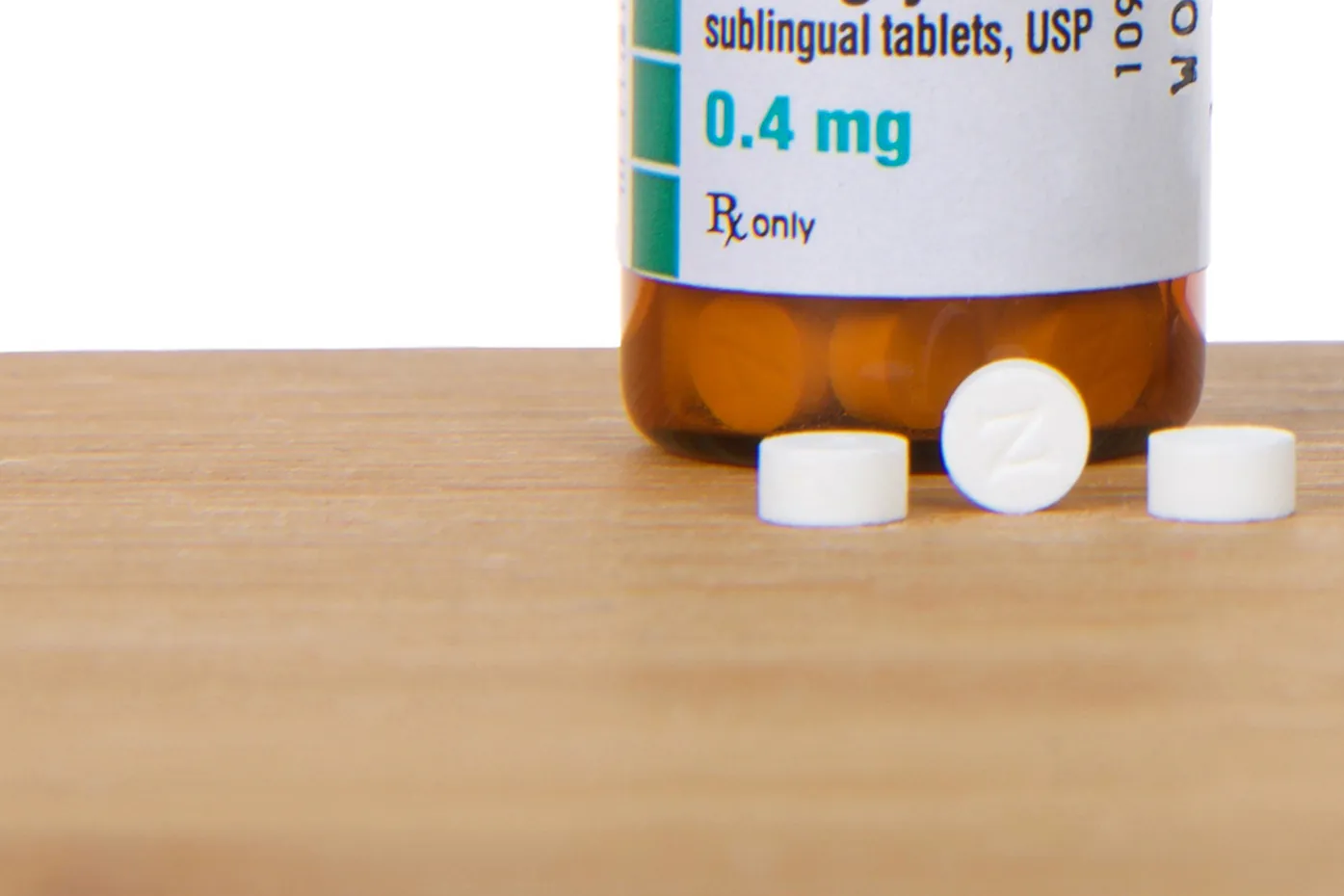
A sublingual medication dissolves under the tongue and absorbs through the lining of the mouth into veins that drain toward the heart and body. It reaches circulation without that first trip through the liver, so it skips first-pass metabolism. More of the dose reaches circulation intact, and faster.
That can mean quicker onset; a lower effective dose; and no meal timing or water required.
How sublingual delivery impacts ED drugs
The blood-flow drugs (PDE5 inhibitors)
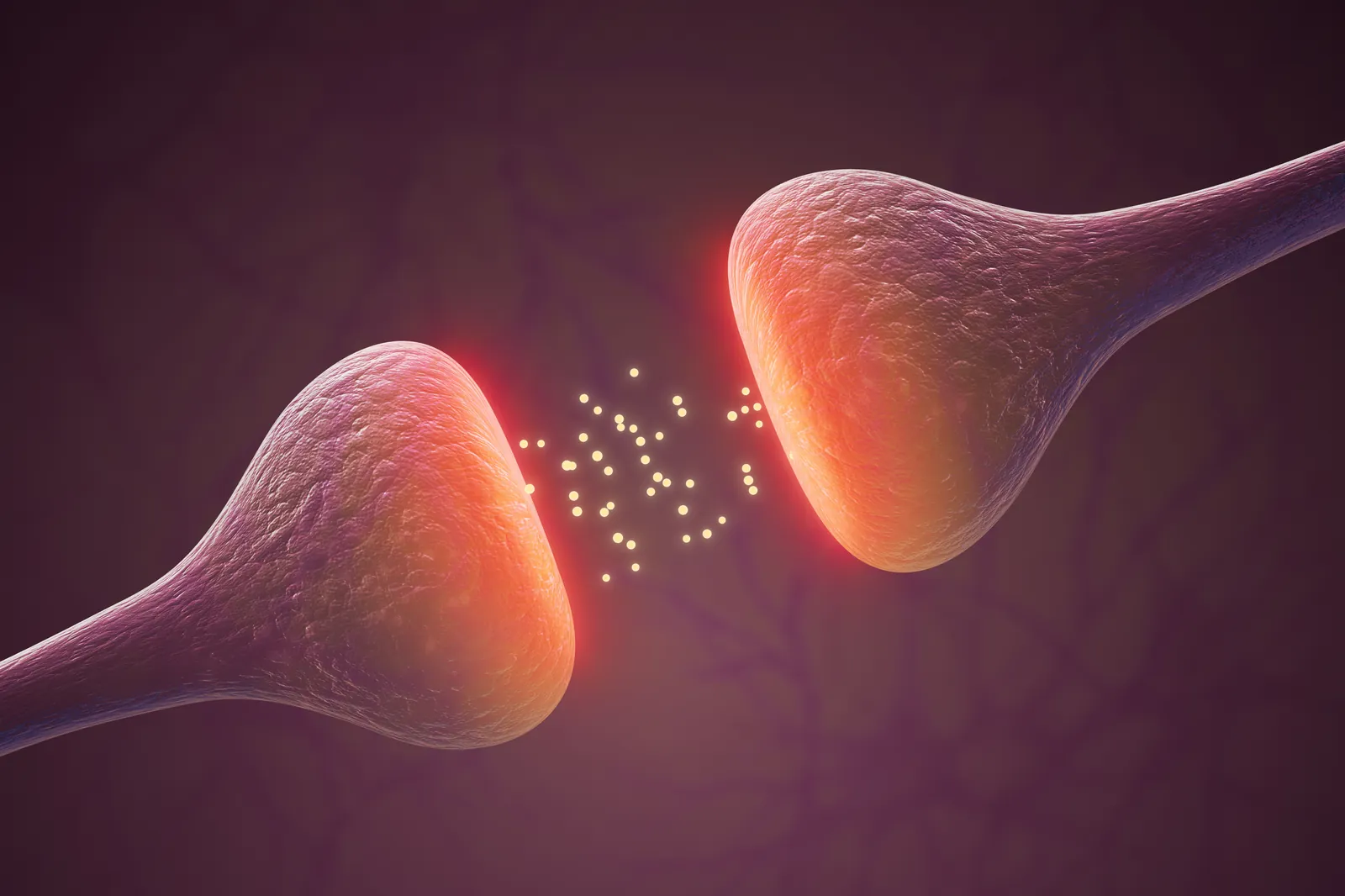
PDE5 inhibitors block the PDE5 (phosphodiesterase type 5) enzyme, which otherwise breaks down cGMP, a molecule that relaxes penile smooth muscle and lets blood in. They're the most familiar ED drugs.
Sildenafil (Viagra). This is the clearest case for sublingual delivery. Swallowed, sildenafil has an oral bioavailability of roughly 41%, an onset of 30 to 60 minutes, and real sensitivity to food: a high-fat meal can both reduce how much is absorbed and push onset back toward an hour.1 In a placebo-controlled study, sublingual sildenafil produced a mean onset of action of about 15.5 minutes, markedly faster than the swallowed tablet, and at a lower dose.1
Tadalafil (Cialis). Tadalafil's defining feature is a long half-life, around 17.5 hours. That's why it supports daily dosing and more spontaneity.2 Food delays time to peak concentration, as it does for any oral drug, but the data is limited on how much.3
The brain-acting drugs
These drugs work on the arousal signal itself, rather than on blood flow.
Apomorphine. Apomorphine is a dopamine agonist. It works in the brain, activating dopamine receptors in the arousal centers of the hypothalamus to strengthen the signal that initiates an erection. (Despite the name, it's unrelated to morphine and isn't an opioid.) Here, sublingual delivery is a requirement. Swallowed, apomorphine is broken down too extensively to be clinically viable. Sublingual is the only validated route, with a median onset of roughly 16 to 23 minutes in the trials that established it.
Bremelanotide. Bremelanotide is a melanocortin agonist, another brain-acting drug, with real trial data in men with ED.4 But it's a peptide, a large molecule the body absorbs poorly through the mouth, even sublingually. It has to be injected or used as a nasal spray to work; sometimes a molecule's chemistry is just too stubborn.
The takeaway
The right delivery method isn't the same for every drug. It's the difference between sildenafil in 15 minutes or an hour, and between apomorphine working at all or not working at all.
How a drug is delivered can determine whether it works at all - especially when it comes to compounded and combination drugs. The question worth asking: does the way I take this actually get it where it needs to go? For more on how HELMD's combined sublingual approach is built, see How Drive Works and The Case for Combination ED Treatment.

Dr. Brant is a Board-Certified Urologist, a Fellow of the American College of Surgeons and the European Committee of Sexual Medicine, and a HELMD medical advisor. This article is for educational purposes and is not a substitute for individualized medical advice.
Read full bio →References
- Deveci S, Peşkircioğlu L, Aygün C, et al. Sublingual sildenafil in the treatment of erectile dysfunction: faster onset of action with less dose. Int J Urol. 2004;11(11):989–992. pubmed.ncbi.nlm.nih.gov
- Forgue ST, Patterson BE, Bedding AW, et al. Tadalafil pharmacokinetics in healthy subjects. Br J Clin Pharmacol. 2006;61(3):280–288. pubmed.ncbi.nlm.nih.gov
- Tadalafil (Cialis) prescribing information. Eli Lilly and Company. accessdata.fda.gov
- Molinoff PB, Shadiack AM, Earle D, et al. PT-141: a melanocortin agonist for the treatment of sexual dysfunction. Ann N Y Acad Sci. 2003;994:96–102. pubmed.ncbi.nlm.nih.gov