If raising the dose or switching to another PDE5 inhibitor doesn't help, the second-line options have historically been more invasive and painful: vacuum devices, injections into the penis, or pellets inserted into the urethra.
But there's a step in between: combining oral treatments (sometimes across different mechanisms) before escalating to needles and suppositories. That middle ground is the case for combination therapy.
Combining blood-flow drugs: dual PDE5
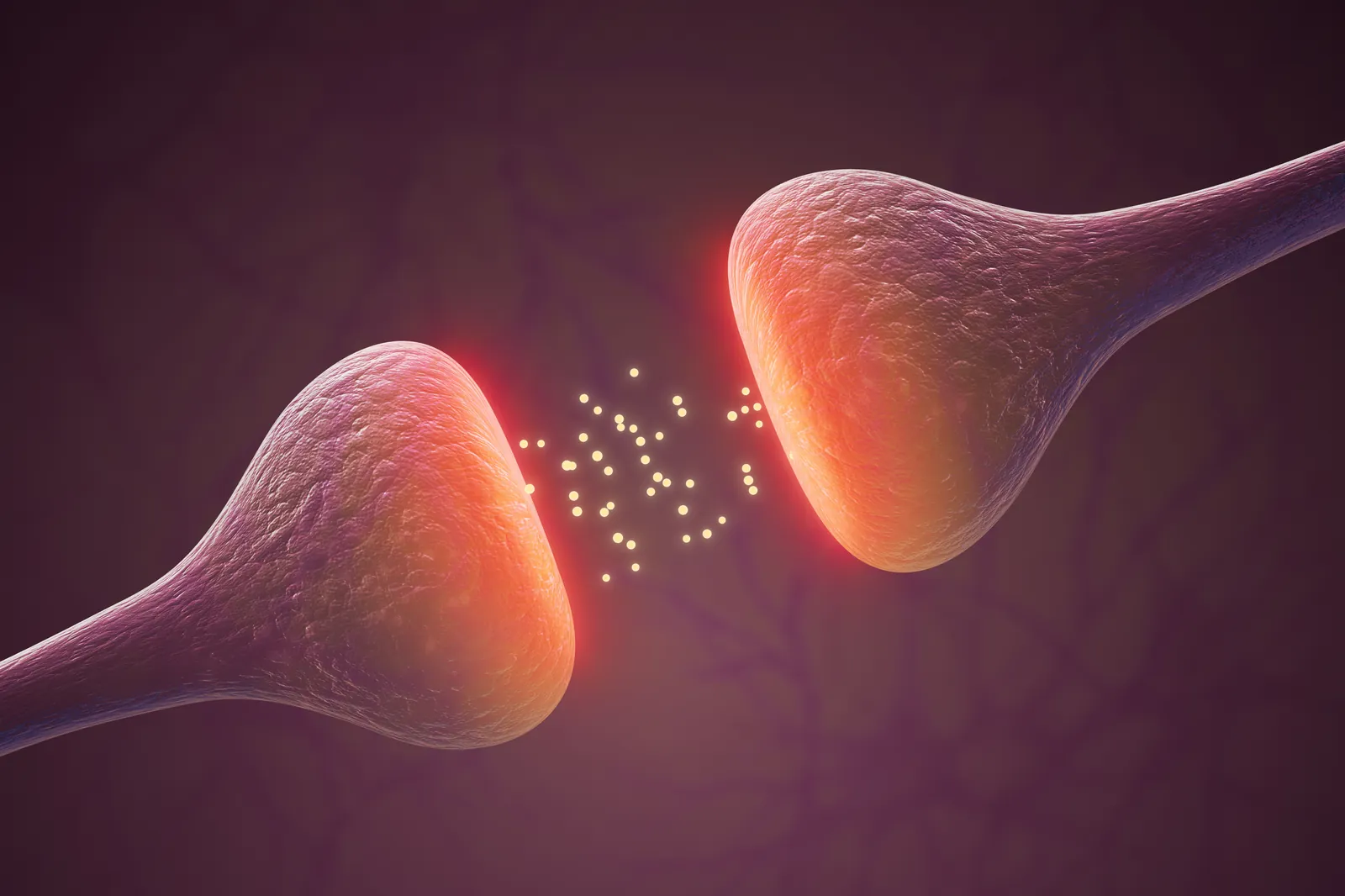
PDE5 inhibitors work on blood flow. During arousal the body releases nitric oxide. That raises levels of a molecule called cGMP that relaxes the smooth muscle in the penis and lets blood flow in. PDE5 is the enzyme that breaks cGMP back down. Block it, and the erection is stronger and lasts longer. Sildenafil (Viagra), tadalafil (Cialis), and vardenafil (Levitra) all do this and mainly differ on speed and duration.
Even though these medications share a mechanism, they act differently. Tadalafil may take longer to work but can last a long time (over a day). Sildenafil may have a quicker onset but lasts a shorter time (around 8 hours). Combining a fast PDE5 inhibitor with a long-acting one covers more of the response curve (15 minutes to as long as 36 hours) than either does alone.
There's clinical support. A study of 180 men compared tadalafil plus sildenafil vs. tadalafil alone. The combination produced significantly higher erectile function scores, with the largest benefit in men with severe ED, and no increase in side effects over tadalafil by itself.2
Adding a brain-acting drug: apomorphine
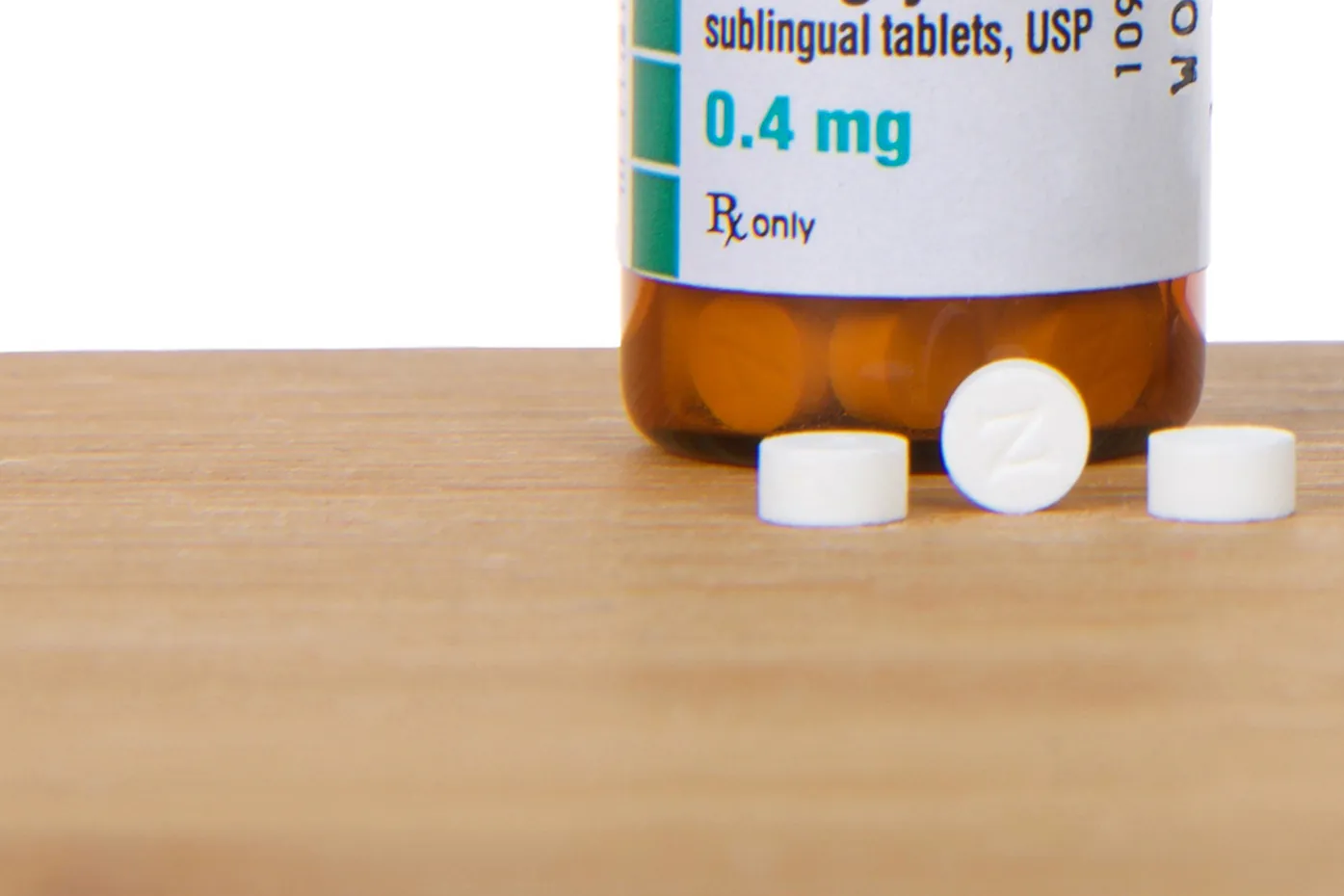
An even more interesting approach combines the blood-flow side with the arousal side. Apomorphine is a dopamine agonist that works in the brain's arousal pathway rather than on penile blood flow. On its own it's a reasonably effective ED treatment, with placebo-controlled trials behind it and a long track record of use in Europe.3 Pairing it with a PDE5 inhibitor targets both halves of the erection at once: the signal (desire/arousal) and the response (increased blood flow).
Clinical experience pairing the two has been consistently positive, and in animal models, apomorphine added to sildenafil produces a greater erectile response than either alone, and does so without an additional drop in blood pressure.4 5 For a deeper look at this molecule, see Apomorphine: A Different Side to ED Treatment.
Three mechanisms, one erection
Put together, a long-duration PDE5 inhibitor, a fast-acting one, and a dopamine agonist address an erection from three angles. Two work on blood flow, one on the brain: mapping how an erection is built better than any single drug can.
It's also how specialists already think about treatment failure. The question isn't "what's the highest dose?" - it's "which part of the process is falling short, and what addresses it?"
The takeaway
Combination therapy isn't a last resort. For the many men who don't respond to a single PDE5 inhibitor, it's an evidence-based middle path that often gets skipped: the ground between maxing out one drug and jumping to injections. Please consult your provider for additional info on possible side effects and contraindications.

Dr. Brant is a Board-Certified Urologist, a Fellow of the American College of Surgeons and the European Committee of Sexual Medicine, and a HELMD medical advisor. This article is for educational purposes and is not a substitute for individualized medical advice.
Read full bio →References
- Dhaliwal A, Gupta M. PDE5 Inhibitors. In: StatPearls [Internet]. StatPearls Publishing; 2023. ncbi.nlm.nih.gov
- Cui H, Liu B, Song Z, et al. Efficacy and safety of long-term tadalafil 5 mg once daily combined with sildenafil 50 mg as needed at the early stage of treatment for patients with erectile dysfunction. Andrologia. 2015;47(1):20–24. onlinelibrary.wiley.com
- Dula E, Keating W, Siami PF, et al; The Apomorphine Study Group. Efficacy and safety of fixed-dose and dose-optimization regimens of sublingual apomorphine versus placebo in men with erectile dysfunction. Urology. 2000;56(1):130–135. pubmed.ncbi.nlm.nih.gov
- Park JY, Son H, Kim SW, Paick JS. Potentiation of apomorphine effect on sildenafil-induced penile erection in conscious rabbits. Asian J Androl. 2004;6(3):205–209. pubmed.ncbi.nlm.nih.gov
- Andersson KE, Gemalmaz H, Waldeck K, et al. The effect of sildenafil on apomorphine-evoked increases in intracavernous pressure in the awake rat. J Urol. 1999;161(5):1707–1712. pubmed.ncbi.nlm.nih.gov