The interaction, and where the line sits
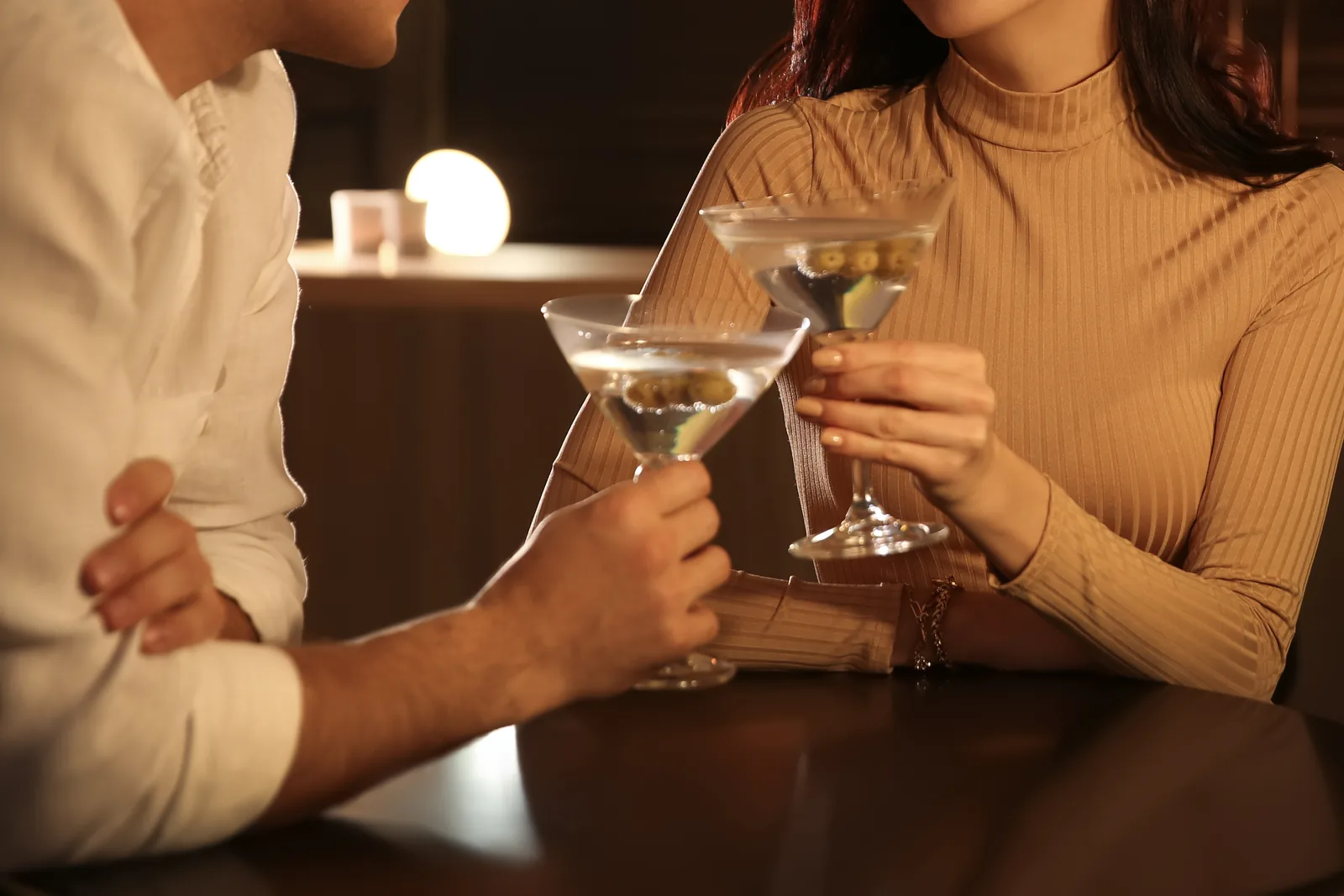
Alcohol and PDE5 inhibitors are both mild vasodilators, meaning both relax blood vessels and lower blood pressure a little. Stack two mild effects and you can get one moderate effect.
The tadalafil interaction was tested in three clinical pharmacology studies, and the dose is what matters.
In two studies, alcohol was given at 0.7 grams per kilogram of body weight, described as roughly six ounces of 80-proof vodka for an 80 kilogram man, drunk within ten minutes. Blood alcohol reached 0.08%. At that level, more men had clinically significant drops in blood pressure on the combination than on alcohol alone. Some reported dizziness on standing, and orthostatic hypotension, meaning a blood pressure drop on standing up, was observed in some.
In the third study, alcohol was given at 0.6 grams per kilogram, described as roughly four ounces of 80-proof vodka. At that dose, orthostatic hypotension was not observed, dizziness occurred at the same rate as alcohol alone, and the blood pressure effects of alcohol were not amplified.
Somewhere between four and six ounces of spirits, drunk quickly, is where the blood pressure interaction becomes measurable. Below that, the studies found nothing.
Sildenafil was tested differently, at 50 mg with alcohol at 0.5 grams per kilogram, again reaching 0.08% blood alcohol. It did not potentiate the hypotensive effect of alcohol in healthy volunteers.
Neither drug changes how quickly you process alcohol, and alcohol does not change how the drug is absorbed. You will not get drunk faster.
A short online visit lets a licensed provider review your history and recommend an approach.
What counts as too much
Cialis gives a threshold: substantial consumption, defined as five units or more, combined with tadalafil can increase the chance of dizziness, headache, a faster heart rate and a drop in blood pressure on standing. The patient information puts it in plainer terms, warning against roughly five glasses of wine or five shots of whiskey.
Two caveats. These trials involved healthy volunteers drinking on an empty stomach within ten minutes, which is not how most people drink. And if you already take medication for blood pressure, or run low blood pressure naturally, your margin is smaller.
The bigger problem is alcohol itself
This is the part that matters more, and it has nothing to do with any prescription.
Alcohol is a central nervous system depressant. Arousal is not purely a matter of blood flow: it begins in the brain, and the signal has to travel before any artery responds. Alcohol dampens that signal. It reduces sensitivity, delays orgasm, and at higher volumes makes an erection difficult regardless of what else is in your system.
That explains a common situation: a man takes his medication, has four or five drinks, and finds it did not work. He concludes the drug failed. What actually happened is that he suppressed the arousal signal the drug exists to amplify.
PDE5 inhibitors do not create arousal. They protect and prolong a signal your body generates. If alcohol has blunted that signal, there is less for the medication to work with, and no dose increase fixes it.
Practical guidance
One or two drinks is unlikely to cause a problem for most men, and did not produce a measurable interaction in the lower-dose study.
Watch for dizziness on standing, which is the specific effect to look out for. If it happens, sit down, and drink less next time or space it out.
Do not drink quickly on an empty stomach. The studies used exactly that pattern, and it produces the highest blood alcohol and the largest blood pressure effect.
Be more cautious if you take blood pressure medication or an alpha-blocker, since those add another blood pressure lowering effect.
Expect diminishing returns as the evening goes on. Past a few drinks, alcohol works against the outcome you are hoping for, and the medication cannot compensate.
Takeaways
Alcohol and ED medication both lower blood pressure, and the interaction is dose-dependent. Studies found a measurable effect at roughly six ounces of spirits and no effect at four, and Cialis warns specifically against five units or more. Sildenafil showed no added effect at the dose tested. The larger issue is that alcohol suppresses arousal directly, and since these medications amplify an arousal signal rather than creating one, a heavy night leaves the drug with less to work with. One or two drinks is fine for most men. Five is working against yourself.

Dr. Brant is a Board-Certified Urologist, a Fellow of the American College of Surgeons and the European Committee of Sexual Medicine, and a HELMD medical advisor. This article is for educational purposes and is not a substitute for individualized medical advice.
Read full bio →Sources
- CIALIS (tadalafil) tablets, prescribing information. Eli Lilly and Company, via DailyMed. Alcohol interaction studies at 0.7 and 0.6 g/kg, five-unit warning, patient labeling.
- VIAGRA (sildenafil citrate) tablets, prescribing information. Viatris Specialty LLC, via DailyMed. Alcohol interaction at 0.5 g/kg.